In the competitive landscape of modern commerce, a physical storefront is no longer just a point of sale; it is the most powerful physical manifestation of a brand identity. As businesses look to scale across cities and demographics, the challenge lies in maintaining a consistent aesthetic while adapting to diverse architectural shells. At Melon Design Studio, we believe that the intersection of interior architecture and creative strategy is where brand loyalty is built and business potential is unlocked.
1. Designing for brand consistency and scalability
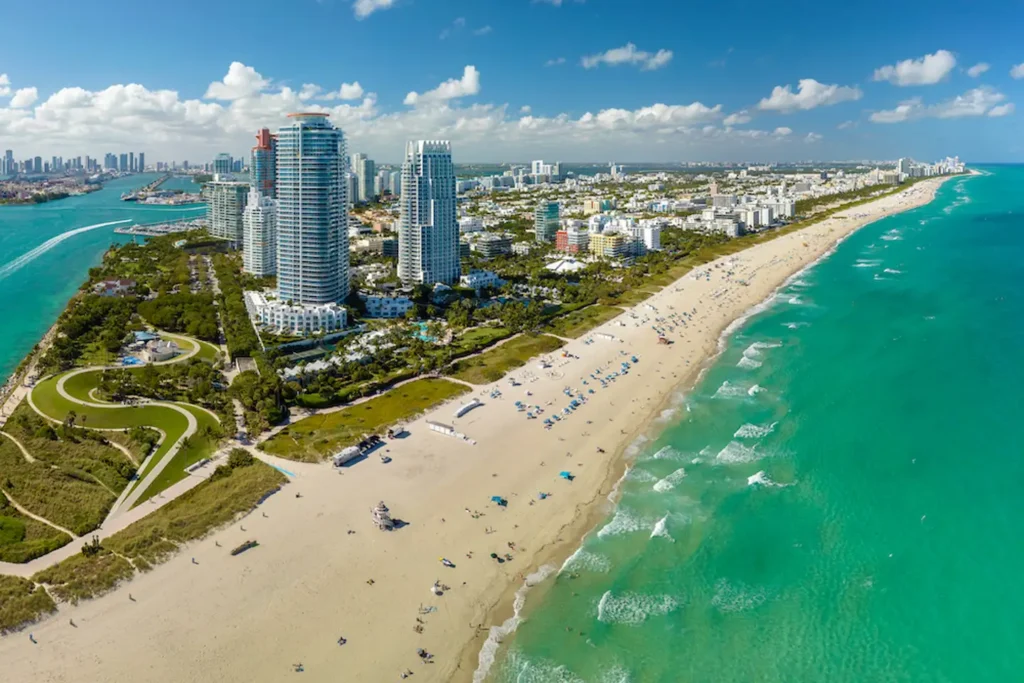
When a brand decides to expand, the primary risk is the dilution of its core identity. A customer walking into a location in Miami should feel the same emotional resonance as they would in a New York flagship. Achieving this requires a rigorous design language that transcends individual site constraints.
Strategic interior design provides a modular framework that allows for rapid scaling. By establishing a fixed palette of materials, lighting standards, and spatial hierarchies, a brand can ensure that every new opening reinforces the global image. This technical discipline is what allows high-growth companies to move quickly, reducing the time spent on conceptualizing each new space from scratch and focusing instead on flawless execution and localized adaptation.
2. The psychology of warm and harmonious environments
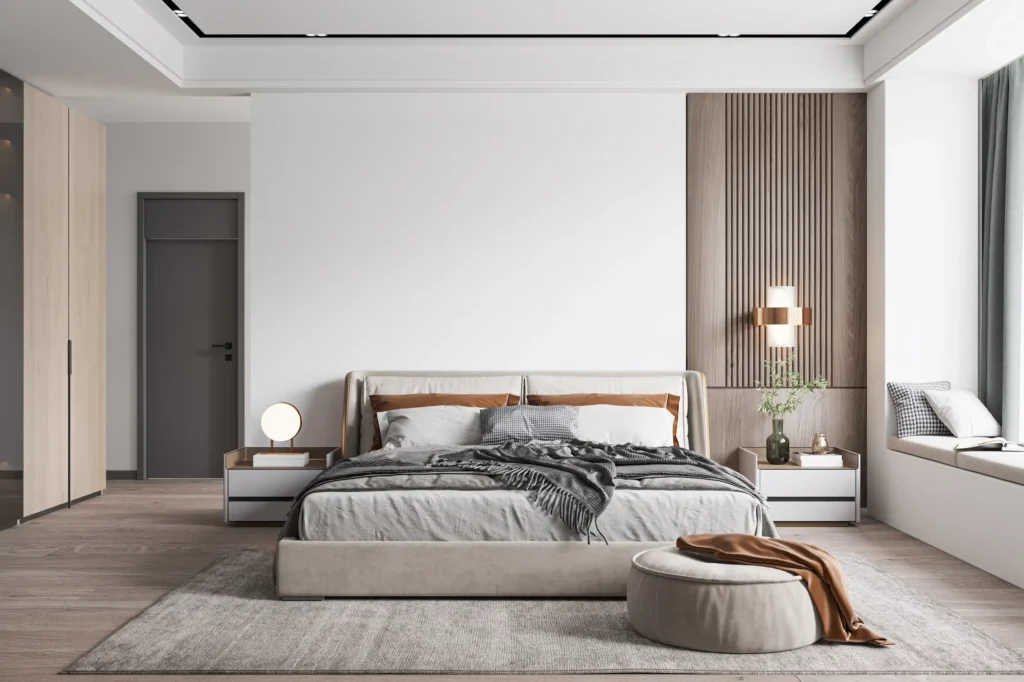
Modern consumers are increasingly drawn to spaces that prioritize human connection and comfort. In sectors like hospitality and healthy dining, the “cold” industrial aesthetic is being replaced by warmer, more harmonious environments. The goal is to create an inviting backdrop that encourages customers to stay longer, connect with the brand, and ultimately increase their lifetime value.
The use of natural textures, organic forms, and layered lighting plays a psychological role in reducing stress and fostering a sense of well-being. When a space feels balanced, the customer’s focus shifts from the transaction to the experience. This approach is particularly evident in our long-term collaboration with Carrot Express, where we have reimagined over 10 locations into warm, welcoming spaces that invite guests to relax and connect while maintaining a high-performance operational flow.
3. Optimizing spatial flow for operational efficiency
A beautiful retail or hospitality space is only successful if it performs with purpose. Interior architecture must account for the invisible “choreography” of a room, the way staff move, how customers queue, and how products are discovered. In high-traffic environments, even a minor friction point in the layout can lead to significant revenue loss over time.
Strategic spatial planning involves analyzing the customer journey from the moment they cross the threshold to the moment they exit. By defining clear zones for engagement, service, and relaxation, we ensure that the design supports the business’s operational goals. This technical precision is what differentiates a “decorated” space from a “designed” environment. Every square foot must be optimized to contribute to the overall efficiency and profitability of the location.
4. Technical coordination from concept to completion
One of the most significant hurdles in retail expansion is the gap between a creative vision and the reality of construction and permitting. A successful rollout requires a partner who understands the nuances of local regulations, technical drawings, and custom fabrication.
The “seamless journey” we advocate for at Melon Design Studio involves acting as a single point of contact throughout the entire lifecycle of a project. By managing the procurement of custom finishes and coordinating directly with builders and artisans on-site, we eliminate the fragmentation that often leads to delays and budget overruns. This end-to-end oversight ensures that the original creative intent is never lost in translation during the build phase, resulting in a high-quality finish that meets the brand’s global standards.
5. Future proofing commercial spaces through timeless materials
In an era of fleeting trends, the most sustainable and profitable strategy for a growing brand is to invest in timelessness. High-quality materials like natural wood, stone, and brushed metal not only age beautifully but also communicate a message of permanence and reliability.
Future-proofing a commercial space means selecting finishes that can withstand high-traffic use while remaining aesthetically relevant for years to come. This commitment to longevity adds long-term value to the property and reduces the need for frequent, costly renovations. When a brand invests in durable, refined materials, it signals a commitment to quality that customers instinctively recognize and trust.